Size Matters Vol. 2: 5th Pocket (2"–2.8"), our favorite category
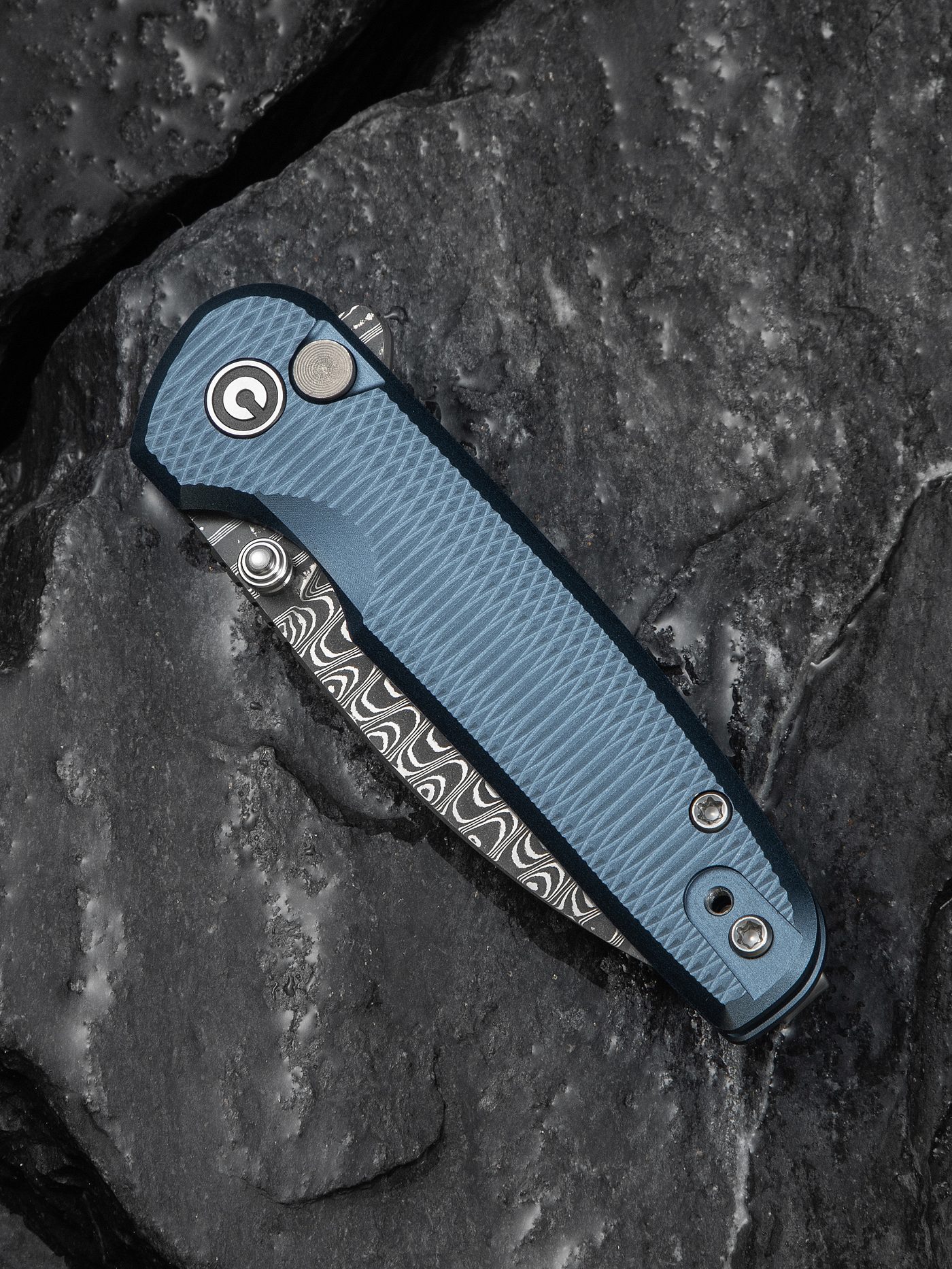
Two to two-point-eight inches is where this hobby gets genuinely interesting. Big enough to use, small enough to disappear, good enough at each end of the brief that the compromises mostly don't feel like compromises at all.
We'll say it plainly: this is our favorite size category. Not because the knives are necessarily the most capable, they're not, the standard category has them on raw utility, but because the design constraints here are the most interesting. You have enough blade to do real cutting work. You have enough handle to actually grip. And you're still small enough to disappear into the fifth pocket of jeans, to not register in a work environment, to carry in situations where a standard-sized folder would feel like a statement you didn't want to make.
The fifth pocket carry is its own discipline. Tip-up in the coin pocket, accessible without digging, present without announcing itself. The knives that do this well tend to be the knives you actually reach for every day, which is the entire point.
Series context: Vol. 2 of 4 in the Size Matters series. Vol. 1 covers keychain (0"–2"). Vol. 3 and 4 cover standard and big boys.
The Cleo Ti is the knife that made us take the fifth pocket category seriously as a premium space rather than just a budget-friendly alternative to a full-size carry. S90V is a super steel with edge retention that most users will find almost excessive, you sharpen it infrequently and it keeps performing between sessions. In titanium handles at 2.54" it carries lighter than it has any right to, and the profile is clean enough for office environments that would make a more aggressive knife feel out of place. This is our #1 fifth pocket recommendation.
CPM-10V is a tool steel that appears almost nowhere in production folders at this price because the edge retention is so high it challenges most sharpening setups. Kizer put it in a 2.06" folder with micarta handles for $74.99, which is an unusual value proposition that rewards people with the sharpening skills to maintain it. At this size the extreme edge retention means you'll go months between sharpenings under normal use. If you carry a knife for light daily tasks and hate sharpening, the Whiskey Jack is a compelling case for spending a little more on steel upfront.
The Corgi V is the knife you buy when you want something for the fifth pocket that you won't catastrophize over. 14C28N is a Sandvik steel that takes a fine edge, holds it well enough for daily use, and is easy to maintain on a simple ceramic rod. The crossbar lock gives you AXIS-style ambidextrous operation at a Vosteed price point. At 2.4" it's the right size for tasks you'd feel self-conscious pulling a 3" knife for. This is the device knife, the one that lives in your pocket because it's there, not because you chose it from a shelf that morning.
The Mini Shakan is the version of this concept that CIVIVI keeps getting right. Nitro-V is a US-made stainless with better edge retention than 14C28N and excellent toughness, it's genuinely undervalued steel that shows up in Kizer Vanguard pieces and mid-tier CIVIVI designs. At 2.48" and 1.94 oz, the Mini Shakan is light enough to carry all day without noticing and large enough to be useful. The button lock deploys cleanly, the ripple-textured aluminum handles look good and grip well, and the reversible clip makes it genuinely ambidextrous. One of the better complete packages in this category at this price.
The Otter is one of the few knives with a value-tier and premium-tier version that are both legitimately worth recommending. The 14C28N G10 version at $43 is the entry point, good steel, solid build, a flipper that works, and the S35VN carbon fiber version at $114.80 is genuinely a different experience with better materials and more refined aesthetics. The modified sheepsfoot blade is the right profile for this size: almost all belly, easy slicing geometry, non-threatening profile. The 2.70" length is deep in fifth pocket territory. Both versions earn their slot in this category.
WESN describes the Allman as their attempt at the perfect balance between size, weight, and usefulness, which is the brief for this entire category, stated out loud. S35VN in titanium at 2.8" is the upper end of the fifth pocket range, and the Allman sits confidently there. The wide blade gives you a lot of cutting surface for the overall length. The titanium handles keep it from feeling like a budget piece. At ~$180 it's the premium tier here alongside the Cleo Ti, the right choice for someone who wants clean lines, solid steel, and a carry experience that doesn't feel like compromise in any direction.
AR-RPM9 is CJRB's proprietary spray-formed stainless steel, and the Mica is the proof of concept that it works at a price point most brands can't touch. $39.99 for a 2.4" button lock with G10 handles and deep carry clip, the Mica is the answer to "I want something for my fifth pocket that I don't have to think about." The button lock is smooth, the steel takes and holds a good edge, and the size is perfectly calibrated for the carry brief. If your budget is under $50 and you want a fifth pocket knife that punches above it, start here.
Finch makes knives that look like they were inspired by the fishing lure and outdoor gear aesthetic of the mid-20th century, and the Snub Nose is the compact version of that philosophy. 154CM is a solid mid-tier steel that gets unfairly overlooked since S35VN arrived, it's a Crucible Industries US-made stainless with excellent toughness and respectable edge retention. The bolster lock flipper is a less common mechanism that rewards people who want something off the beaten path. At 2.75" it's the perfect fifth pocket length. The bolstered stainless construction gives it a weight and solidity that lighter aluminum-handled knives at this size don't have.
Eight knives across a $40–$180 price range, all landing in the 2"–2.8" window. The spread is intentional, the fifth pocket category rewards different values at different budgets, and there isn't one right answer. There's just the right answer for where you are. Start with the Mica if you're testing the concept. Move to the Cleo Ti when you're ready to commit.