Liner locks and frame locks: the same idea, done two different ways
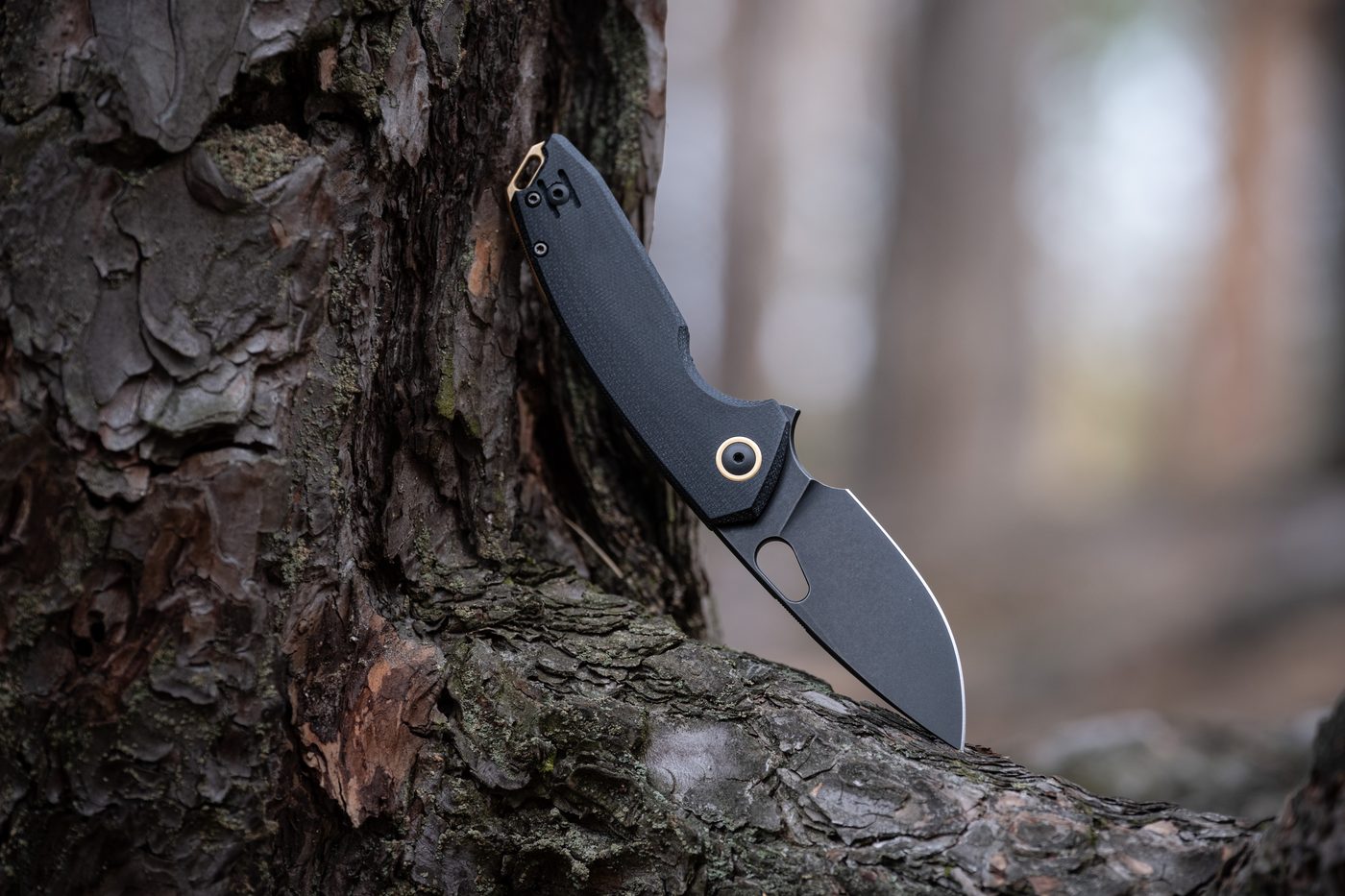
The liner lock and the frame lock are the two most common folder lock types in production today. They work on the same principle. They feel different in the hand, carry differently in a pocket, and suit different knives. Here's what separates them.
In Part 1 of this series we covered the full landscape of folder locks, from backlocks to crossbars to button locks to the unusual outliers. This piece goes deeper on the two types that account for the majority of production folders you'll encounter: the liner lock and the frame lock. Understanding both, and knowing when each is the right choice, is one of those pieces of knife knowledge that sounds technical but pays off immediately in practice.
The short version: a liner lock uses a separate spring steel liner inside the handle to hold the blade open. A frame lock uses the handle itself. Both types work by flexing a spring member behind the blade tang when open, and both release when you push that member aside to close. The mechanism is the same. What differs is the material, the thickness, the feel, and the carry implications of each.
The liner lock
A thin steel liner sits inside each handle scale. When the blade opens fully, one liner flexes inward and its end seats behind the blade tang, preventing the blade from closing. To close, you push the liner aside with your thumb, clearing the tang, and fold the blade back. The liner is a separate component from the handle scales, which means the handle material itself can be anything: G10, micarta, aluminum, carbon fiber, wood. The liner does the locking work regardless of what surrounds it.
Liner locks have a reputation in some corners of the knife world for being weaker than frame locks, and like most generalizations this one is partly true and mostly misleading. A well-executed liner lock on a quality production knife is not going to fail under normal use. The liner's engagement geometry, the quality of the steel, and the precision of the manufacturing matter far more than the lock type. A poorly made frame lock will fail before a well-made liner lock. What is true is that liner locks, because the liner is a thinner and more dedicated spring component, can loosen over years of heavy use in ways that a frame lock, with its thicker and more rigid spring member, is less prone to. For daily carry at moderate use levels, this is not a practical concern.
What liner locks genuinely have going for them that doesn't get enough credit is protection from the environment. The lock face is enclosed within the handle, which means grit, debris, and moisture have a harder time interfering with lock engagement than they do on a frame lock, where the lock cutout is exposed on the show side of the handle. If you carry in dirty or dusty conditions, that matters.

The frame lock
The frame lock applies the same spring-behind-tang principle but removes the separate liner entirely. Instead, the handle frame itself provides the spring tension. A cutout in one handle scale creates a spring arm that flexes inward when the blade opens and seats behind the tang. Because the frame material is doing the locking work, frame locks are most commonly found on titanium-handled knives, where the material's natural springiness and stiffness make the geometry reliable. You'll also see them on steel-handled knives and occasionally aluminum, though aluminum is less common because the alloy's spring characteristics are less predictable over time.
The lock-up feel on a well-executed frame lock is one of the more satisfying mechanical experiences in production folders. Because the frame material is thicker and stiffer than a dedicated liner, the engagement is more solid and the blade play, if any, tends to be minimal. This is the subjective quality that drives a lot of the "frame locks feel more premium" perception, and it's earned. A titanium frame lock on a quality mid-tier knife feels more substantial than a comparable liner lock, and that feeling reflects a real difference in the mechanism's geometry.
Two things to know about frame locks that don't always make it into the marketing copy. First, the lock cutout is exposed on the show side of the handle, which means pocket lint, grit, and debris have a direct avenue to the lock face. In clean carry conditions this isn't an issue. In dusty or dirty environments it can affect lock engagement over time and requires more deliberate maintenance. Second, because the lock face is at the bottom of the handle, your grip position matters. A grip that puts pressure on the lock face during use can potentially affect engagement, though on any quality production knife the geometry is designed to account for this. It's worth being aware of, not worried about.
How they compare in practice
Put a liner lock and a frame lock side by side and the differences that matter most in daily carry come down to three things: feel, debris tolerance, and handle material.
On feel: a well-made frame lock almost always feels more solid. The thicker spring member, the more direct engagement, and the premium handle material that frame locks typically accompany add up to a lock-up that registers as confident in a way that liner locks, even good ones, don't always match. If feel matters to you, and for a lot of carriers it does, frame locks have the edge.
On debris tolerance: liner locks win cleanly. The enclosed lock face means dirt and grit have less opportunity to interfere. If you work in dusty or outdoor environments, or if you simply don't clean your knife as often as you probably should, a liner lock will be more forgiving.
On handle material: liner locks are more flexible. Because the liner is doing the locking work independently of the handle scales, you can have G10 liner lock handles, micarta liner lock handles, carbon fiber liner lock handles, wood liner lock handles. Frame locks are mostly titanium, occasionally steel, because those materials have the right spring properties for the frame geometry to work. This is why frame locks cluster at the mid-to-high price tier: titanium costs more to machine than G10.
Neither type is better than the other in any absolute sense. They're different tools for different knife designs and different carry contexts. A $60 G10 liner lock folder can be more reliable under daily use than a $200 titanium frame lock with sloppy tolerances. The mechanism matters less than the execution. What we'd say is this: if you're choosing between two otherwise comparable knives and one has a frame lock on titanium handles, it will probably feel more satisfying to use. If you carry in conditions where debris is a factor, or if you prefer the handle material flexibility that liner locks allow, a well-made liner lock is not a compromise. It's a different choice.
This is Part 2 of our ongoing lock series. Next up: crossbar locks, including why Benchmade's AXIS has been copied more than almost any other production lock mechanism, and what the alternatives have figured out.